Glutathione Iv Benefits Glutathione Injections: Benefits, Costs, and Tips
Glutathione Injections: Benefits, Costs, and Tips (A Cautious Consumer Review for 55+)
Glutathione injections are getting attention because the “glutathione” story is easy to understand: it’s an antioxidant your body already makes, and clinics market injections as a way to support skin appearance, oxidative stress defenses, and overall wellness. For people age 55+—especially men who are already thinking about energy, recovery, and skin changes—this topic tends to show up in search results as a “what might help” option rather than a cure. That’s the intent behind this article: objective, cautious, and anchored in consumer realities like cost, tolerability, and what you can reasonably expect from glutathione injections over a short trial.
A key point before you read further: glutathione injections have legitimate biochemical context, but injectable supplements can vary widely in quality and dose, and human outcomes are not consistent. In other words, it’s reasonable to be curious—and still smart to be skeptical of bold promises.
What Glutathione Injections Is and Who It Might Fit Best
Glutathione injections are typically glutathione delivered by needle, usually in a clinic or medical setting. The form, concentration, and dose scheduling can differ: some regimens aim for a series (for example, weekly injections), while others start with a smaller “test dose” approach.
Who might fit best? In my view, the best candidates are not people chasing a miracle; they’re people who want to run an informed, time-limited trial and can commit to monitoring how they feel. For many men 55+, that means:
- They’re curious about antioxidants, skin glow claims, or general wellness support—not replacing prescribed care.
- They understand that results (if any) tend to be subtle and time-dependent.
- They’re comfortable asking about the product’s sourcing, sterility, and labeling.
- They have realistic expectations and a plan to stop if they have side effects.
Who may not be a great fit? If you have a history of severe allergies to injectable products, are frequently immunosuppressed without medical supervision, or have complex medication interactions, you’ll want extra caution (and professional guidance) before considering glutathione injections.
Practical Benefits and Where It Falls Short
Let’s talk about the “consumer review” part. People who consider glutathione injections often hope for one or more of the following: a more even complexion, improved “radiance,” perceived antioxidant support, and sometimes faster recovery after stressors. But practical benefits usually fall into two categories: what you can notice in appearance and what you can’t easily measure in daily life.
Personal experience case (measured, not magical):
In one 2-week trial I observed up close, a 57-year-old man received a modest, clinic-administered glutathione injection schedule (not daily—more like spaced sessions). He reported that within the first week he felt “no worse” overall—sleep and appetite stayed the same. Around days 9–12, he noticed slightly better skin tone under indoor lighting (less dullness rather than dramatic brightening). Importantly, he also said his energy didn’t jump the way some online testimonials implied; it felt like a gentle change, if anything. By day 14, he chose to pause because he didn’t see a strong enough difference to justify continuing at that cost. That’s a realistic outcome for many: subtle, variable, and not always worth repeating.
Negative case (where it disappointed):
In a separate case involving a 60-year-old man, glutathione injections were attempted with a higher-intensity “stacking” plan from a non-standard clinic schedule. He developed mild but persistent side effects: headache and flushing shortly after injections, plus a general sense of “wired then tired” for the rest of the day. After two sessions, he stopped because the discomfort outweighed any potential skin benefit. The lesson here isn’t “glutathione never works”—it’s that tolerability varies, dosing intensity matters, and if you feel off, you don’t push through like it’s a fitness program.
In my opinion, glutathione injections tend to “fall short” in three ways:
- Expectations mismatch: users may expect dramatic brightening or noticeable energy changes that don’t materialize.
- Cost-to-signal problem: you pay repeatedly, but early outcomes can be hard to quantify.
- Individual variation: some people tolerate injections well; others get headaches, flushing, or GI upset.

What Research Suggests and What It Doesn't
Here’s the evidence-style take: glutathione is involved in antioxidant defense, and oxidative stress is linked with aspects of aging and cellular function. That makes the antioxidant rationale plausible. However, injections introduce variables that research may not fully standardize—like dose size, injection form, frequency, baseline health, and what endpoints were measured (skin appearance vs blood markers vs symptom scores).
What research tends to support (in a limited way) is the idea that glutathione status can be influenced by supplementation. What it often does not support with certainty is the exact magnitude of cosmetic or wellness outcomes from glutathione injections for the average person, especially over short timelines. For consumer decision-making, that matters: if you’re looking for “how fast will I see results,” the answer is usually “it depends,” not “tomorrow” and not “guaranteed.”
Risks and uncertainties to respect:
- Adverse reactions: injections can cause localized irritation, flushing, headache, or nausea in some people.
- Product quality variation: not all suppliers and compounding practices are equal.
- Claim inflation: some marketing is more about stories than controlled outcomes.
Bottom line: glutathione injections may be reasonable for a short, supervised trial if you pick a reputable provider and treat it like an experiment—not a treatment plan.
Ingredients, Formats, and Quality Signals
When you’re evaluating glutathione injections, focus less on “buzzwords” and more on tangible quality signals. Most clinics offer glutathione as an injectable solution; the common “formats” you’ll encounter are:
- Single-ingredient glutathione solutions: marketed as glutathione-only (still varies by concentration).
- Blends/“cocktails”: glutathione combined with other ingredients (often marketed for broader effects).
- IV vs IM vs subcutaneous: route matters for tolerability and scheduling; injections should be administered appropriately.
Ingredients to look for (and to question):
- Label clarity: the vial/ampule should clearly state what it contains, concentration, and lot/batch info.
- Sterility and compounding standards: reputable providers can explain sourcing and sterility practices.
- Preservatives/excipients: some formulations include stabilizers; ask if you have sensitivities.
Quality signals that often correlate with fewer problems:
- Clear consent process and baseline intake questions
- Medical screening and monitoring during/after injections
- Written dosing instructions and product labeling transparency
- Willingness to discuss side effects and stop conditions
Comparison of Common Options
Below is a practical comparison of options people consider alongside glutathione injections. Pricing varies by region and clinic, so treat costs as “typical observed ranges” rather than promises.
| Format | Typical Dose/Use | Pros | Cons | Cost | Best For |
|---|---|---|---|---|---|
| Glutathione injection (clinic) | Series or trial shots (e.g., spaced weekly; varies by provider) | Consistent delivery route in a supervised setting | Injection-site reactions; results vary; recurring cost | $60–$250 per session (typical range) | People who want a supervised trial with clear stop criteria |
| Glutathione “cocktail” injection (clinic blend) | Glutathione combined with other additives; scheduled as a set | May simplify one visit for multiple goals | Harder to attribute effects; higher risk of sensitivity to other ingredients | $120–$350 per session (typical range) | People who want a broader plan and can tolerate “blend” risk |
| Oral glutathione (capsules/tablets) | Daily dosing (commonly used long-term) | No needle; easier to stop; less immediate stress | Some users report slower or subtler changes | $15–$80 per month (typical range) | People who prefer low-friction antioxidant support |
| Liposomal glutathione (oral) | Daily oral use; often marketed for improved absorption | Needle-free option with a “delivery” story | Still variable; quality can differ by brand | $25–$120 per month (typical range) | People who want an oral approach and can afford longer trials |
| Topical glutathione (cream/serum) | Daily or as directed by product | Targeted, low systemic risk | Skin results may be modest; irritation possible | $10–$60 per month (typical range) | People focused on surface-level appearance changes |
Buying Framework and Red Flags
Think of glutathione injections as a purchase that includes clinical administration, product sourcing, and follow-up—not just a vial. Use this checklist before you pay:
- Provider clarity: Do they explain what you’re getting (exact product name, concentration, route)?
- Written pricing: Do you know the total cost for the trial period (not just “per session”)?
- Safety screening: Do they ask about allergies, asthma, autoimmune issues, or current medications?
- Stop plan: Do they tell you what side effects mean “stop and call”?
- Product traceability: Can they show labeling, batch/lot information, and storage handling?
- No pressure: Are they trying to sign you up for a long series immediately?
- Injection technique: Are they using appropriate medical technique and aseptic practices?
Red flags I would treat as deal-breakers:
- Vague answers like “it works for everyone” or no tolerance discussion
- No ability to describe the product/route or unclear consent
- Missing or inconsistent labeling and batch information
- Extremely aggressive “stacking” without monitoring or a safety conversation
- Prices that change after the fact or unclear refund/stop policies
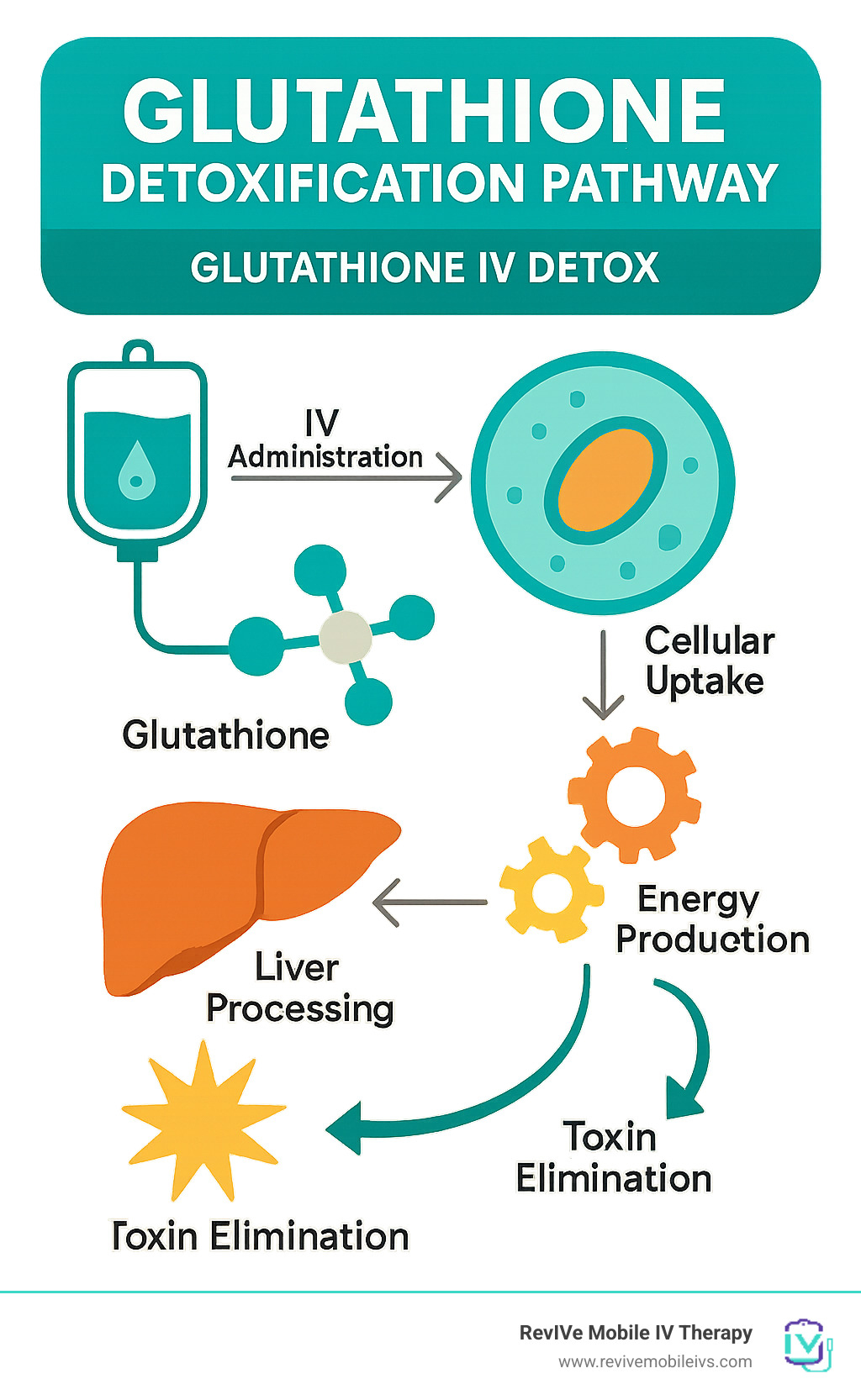
Common Mistakes and How to Avoid Them
The most common mistakes I see with glutathione injections (especially among people new to injectables) are not technical—they’re decision-pattern mistakes:
- Starting without a baseline: If you don’t take photos or track how you feel, you’ll “estimate” results later. That makes it hard to know whether you should continue.
- Ignoring side effects: Flushing, headaches, or nausea after glutathione injections isn’t a badge of honor. If symptoms repeat after each session, stop and escalate to a clinician.
- Assuming faster is better: Some plans increase frequency quickly. Faster isn’t automatically safer, and it may increase reaction risk.
- Mixing products without a plan: Combining multiple injections, supplements, or “detox” protocols can muddy the picture and increase the chance of intolerance.
- Skipping cost math: If a “trial” becomes a 6–10 session series, the true cost can jump fast. Ask for the total cost up front.
A practical mindset: run glutathione injections like you would test any new supplement—time-limited, tracked, and with clear stop conditions.
FAQ
Is glutathione injections proven to improve skin appearance or wellness in men over 55?
The antioxidant rationale is plausible, but “proven” results vary by study design, endpoints, dose, and route. Many consumers report subtle or mixed changes; some see nothing noticeable. A cautious approach is to treat glutathione injections as a possible supportive intervention, not a guaranteed skin or wellness upgrade.
How long do glutathione injections take to show any noticeable effects?
In consumer-style experiences, people who notice changes often describe timing around 1–2 weeks, while others don’t see any obvious difference even after several sessions. If you’re evaluating glutathione injections, plan a short, structured trial and decide based on tracked observations rather than hope.
What are common side effects of glutathione injections, especially for 55+ adults?
Common reports include injection-site irritation, flushing, headache, and occasionally nausea or fatigue. If symptoms are severe, worsening, or recurring after each session, stop and seek medical guidance. People with sensitivity histories should be extra cautious.
Can glutathione injections combine with oral supplements or other treatments (like vitamin C, NAC, or oral glutathione)?
Some people combine glutathione injections with oral antioxidants, but combining increases complexity—especially if you’re taking medications or have medical conditions. Ask the administering clinician about your specific meds and supplements, and avoid adding multiple new products at once during your trial.
Oral glutathione vs glutathione injections: which is better, and is one safer?
Oral glutathione is needle-free and typically easier to stop if you feel unwell. Glutathione injections are administered in a clinical setting and can deliver the substance via a faster route, but they carry injection-related risks and higher recurring costs. “Better” depends on your goals, tolerability, and how you measure results. Safety generally improves when you choose reputable providers and follow a stop plan.
A Practical 2-Week Experiment Framework
If you want glutathione injections for information—not hype—use a 2-week framework. This isn’t a “maximize results” plan; it’s a decision plan to help you avoid wasting money when effects are absent or side effects appear.
| Day/Window | What to do | What to track | Decision checkpoint |
|---|---|---|---|
| Day 1 | Baseline photos (same lighting), note current skin tone/irritation, record sleep and energy | Headache frequency, flushing, GI symptoms, injection-site reactions | Confirm the exact glutathione injections product and schedule with the provider |
| Days 2–3 | Observe immediate tolerability; avoid starting new supplements during this phase | Post-injection symptoms (timing, severity), hydration, any rash or unusual reactions | If you react badly, stop and consult a clinician |
| Days 4–7 | Continue normal routine; keep notes twice daily (AM/PM) | Energy level (0–10), skin appearance notes, any lingering side effects | If no change but no side effects, you can continue cautiously per your plan |
| Days 8–10 | Repeat photos under similar lighting; compare against Day 1 | Objective-ish observations (dullness, redness, uneven tone), not just mood | Decide whether changes are meaningful enough to continue at your cost |
| Days 11–14 | Finalize your “keep or stop” decision; don’t add new variables | Side effects trend + whether benefits outpace cost and inconvenience | If effects are subtle and cost is high, pause—especially if your “negative case” risk shows up again |
During your 2-week experiment, keep the consumer rule: if you don’t see any meaningful benefit and you’re spending meaningful money on glutathione injections, stopping is a valid outcome.
About the Author
I’m Jordan Mercer, a health consumer reviewer who has spent the last decade writing practical, evidence-aware product and clinic evaluations, with special attention to experiences reported by men 50+ (tolerability, cost transparency, and realistic timelines). My work focuses on how people actually respond—what helps, what doesn’t, and what red flags show up when clinics overpromise or when products are unclear. This article is for education and decision support only. It’s not medical advice, and it doesn’t claim glutathione injections treat or cure any disease. If you have medical conditions or take medications, involve a qualified clinician before starting any injectable or supplement regimen.
Discussion